
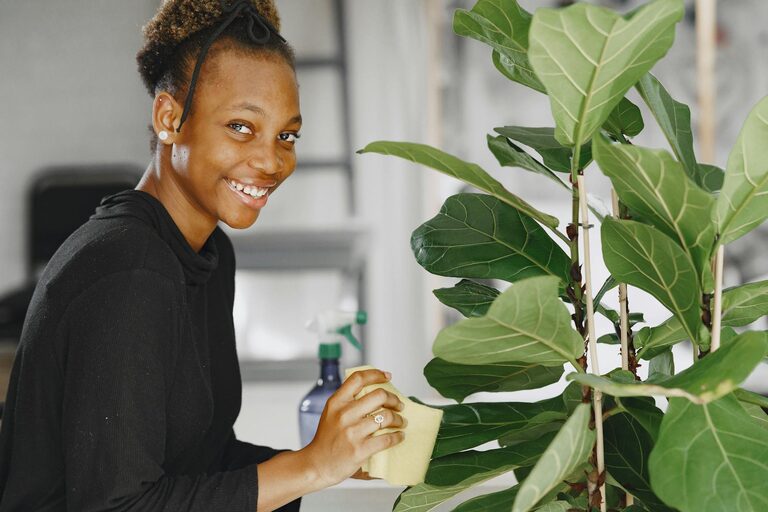
Bringing houseplants into your home adds a touch of nature, creates a calming atmosphere, and can even improve air quality. However, keeping them healthy requires a bit of attention and care. Whether you are new to plant parenting or looking to improve your green thumb, this guide offers easy strategies to ensure your plants stay vibrant and thrive.
Understanding Your Houseplants’ Needs
Every plant species has its unique requirements, but most houseplants thrive when you meet these general conditions:
Light
Plants need light to photosynthesize — the process that allows them to grow. Make sure to:
– Place plants in spots where they receive appropriate light levels.
– Use sheer curtains for bright, indirect light or a south-facing window for direct sunlight.
– Rotate plants every week to ensure even growth and avoid leaning.
Water
Water is essential but too much or too little can harm your plants.
– Check the soil moisture before watering by sticking your finger about an inch deep into the soil.
– Water when the top inch feels dry for most houseplants.
– Avoid waterlogging by using pots with drainage holes.
– Adjust water frequency based on the season, watering less in winter.
Humidity and Temperature
Many indoor plants prefer moderate humidity and stable temperatures.
– Keep plants away from drafty windows, heaters, or air conditioners.
– Use a humidifier or pebble tray with water to increase humidity for tropical plants.
– Maintain room temperature between 65°F and 75°F (18°C to 24°C) for most species.
Choosing the Right Soil and Pot
Healthy soil and the right pot can make a significant difference.
Soil
– Use well-draining potting soil designed for indoor plants.
– Avoid garden soil as it may contain pests or become compacted indoors.
– Consider specific mixes such as cactus mix or orchid bark if growing specialized plants.
Pots
– Choose pots with drainage holes to prevent root rot.
– Pick a pot slightly larger than the root ball to allow growth.
– Repot every 1-2 years or when roots start growing out of drainage holes.
Feeding Your Plants
Plants need nutrients to grow strong and healthy.
– Use a balanced, water-soluble fertilizer every 4-6 weeks during the growing season (spring and summer).
– Reduce or stop fertilizing in fall and winter when most plants rest.
– Follow the label instructions carefully to avoid overfeeding, which can damage roots.
Preventing and Treating Common Plant Problems
Even with proper care, plants sometimes face issues. Early detection helps.
Pests
– Common pests include spider mites, aphids, and mealybugs.
– Inspect leaves regularly, especially the undersides.
– Use insecticidal soap or wipe leaves with a damp cloth for minor infestations.
Diseases
– Yellowing leaves can indicate overwatering, poor drainage, or insufficient light.
– Brown leaf edges often signal low humidity or underwatering.
– Remove damaged leaves promptly and adjust care routines to prevent spread.
Root Rot
– Caused by overwatering and poor drainage.
– Signs include wilting despite moist soil and a foul smell.
– Repot in fresh soil, trimming affected roots.
Additional Tips for Thriving Houseplants
– Dust leaves regularly to improve photosynthesis.
– Clean pots and tools to reduce disease risk.
– Group plants with similar needs to create ideal microclimates.
– Use grow lights if natural light is insufficient.
– Monitor plants frequently to catch problems early.
Conclusion
Keeping houseplants healthy is rewarding and manageable with a little knowledge and attention. By providing the right light, water, soil, and care, your indoor garden can flourish year-round. Remember to observe your plants regularly and adapt your care routine as needed. Happy planting!